



banner__-1
Approach to Diagnosis and Treatment

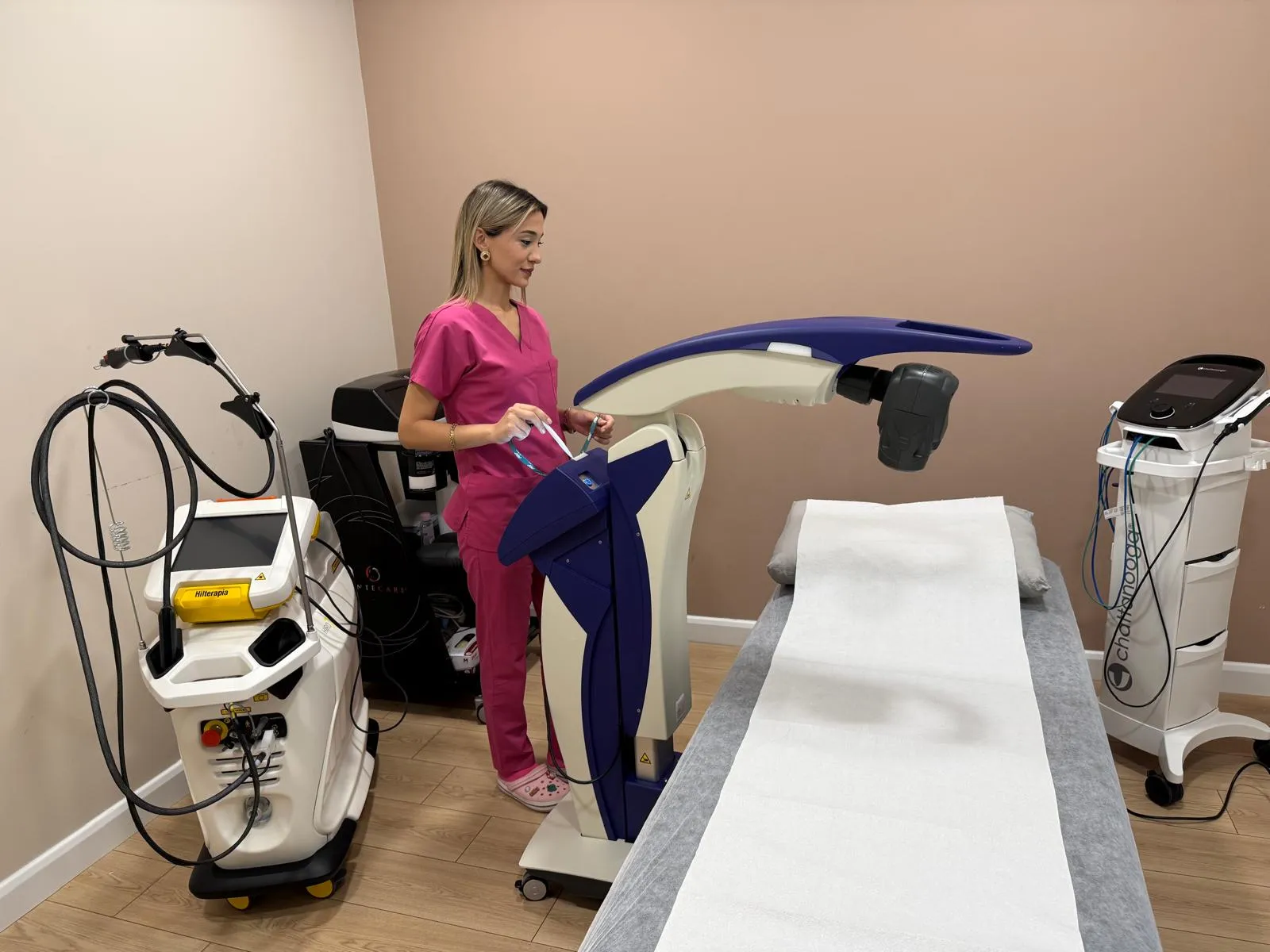
In the diagnosis and treatment of painful musculoskeletal disorders, one of the primary areas of our specialty, we follow the latest scientific developments and evidence-based medical practices.

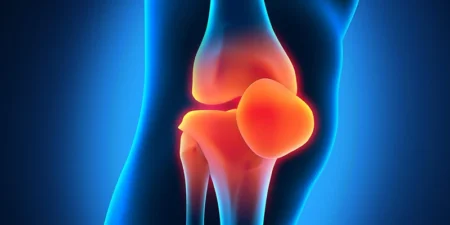
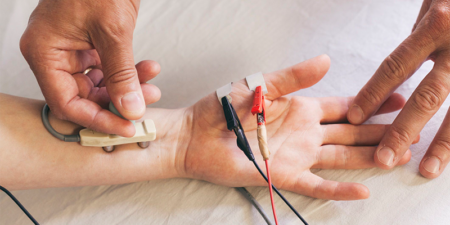
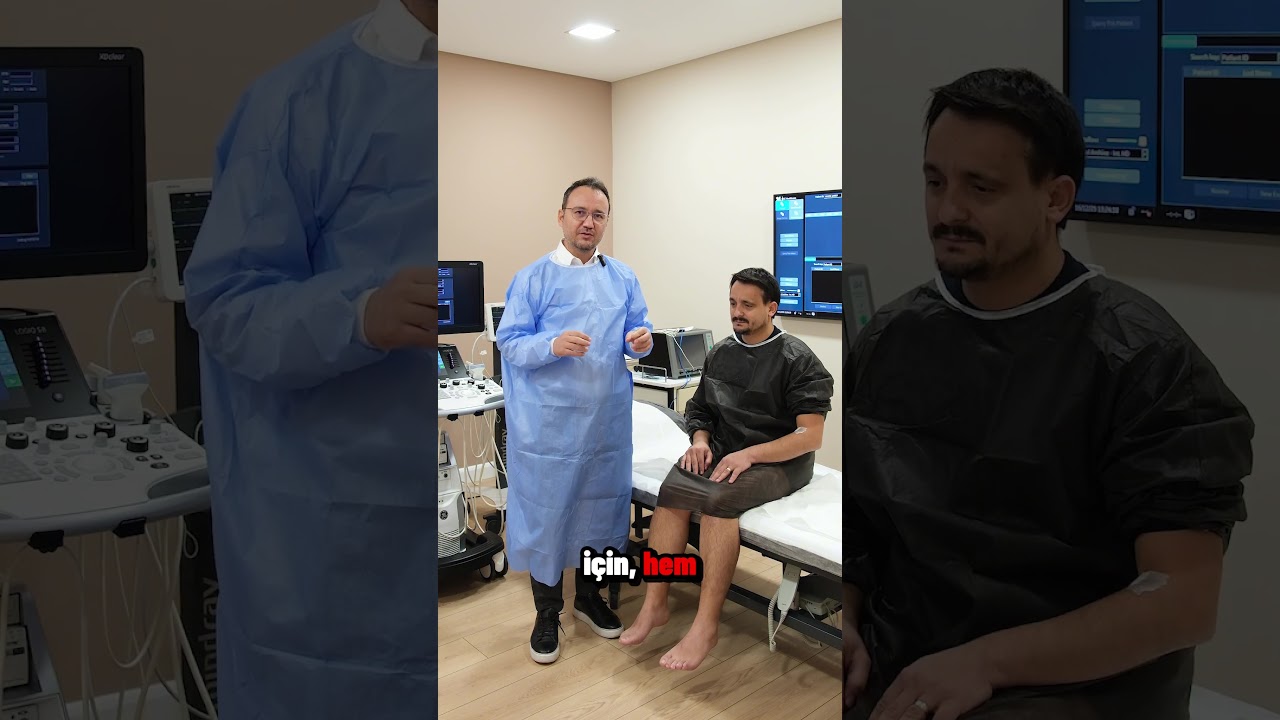
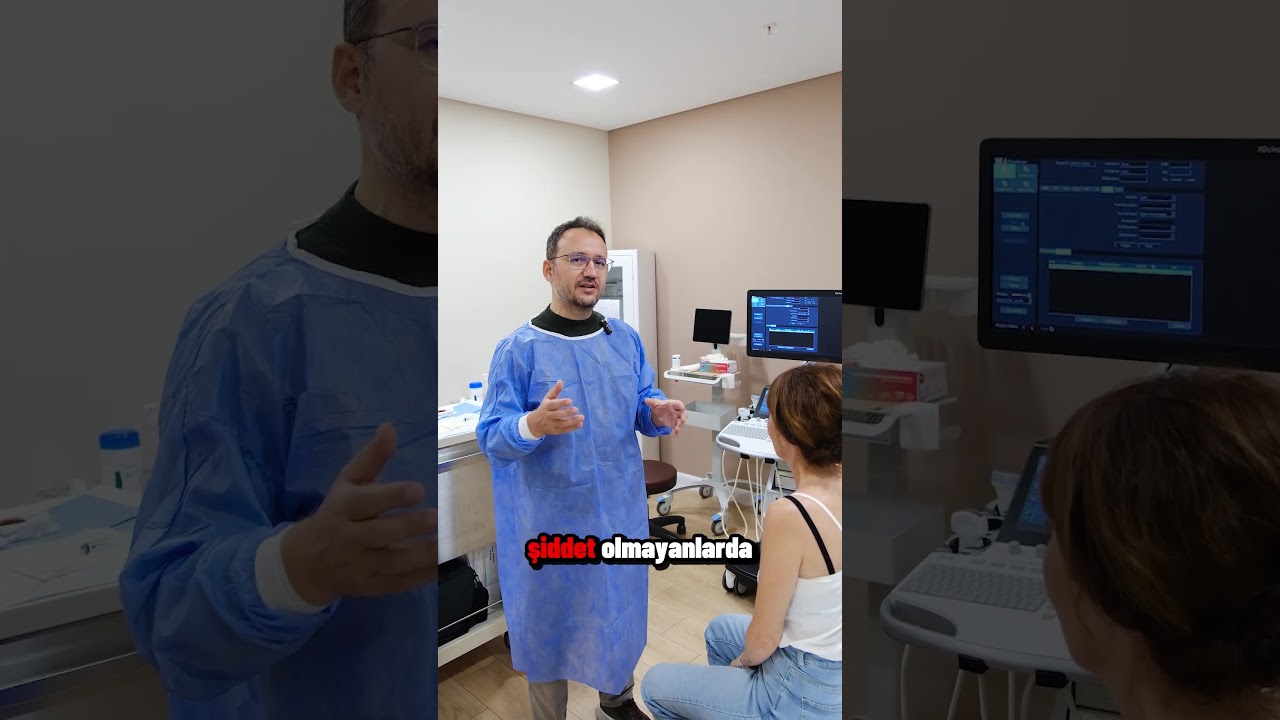
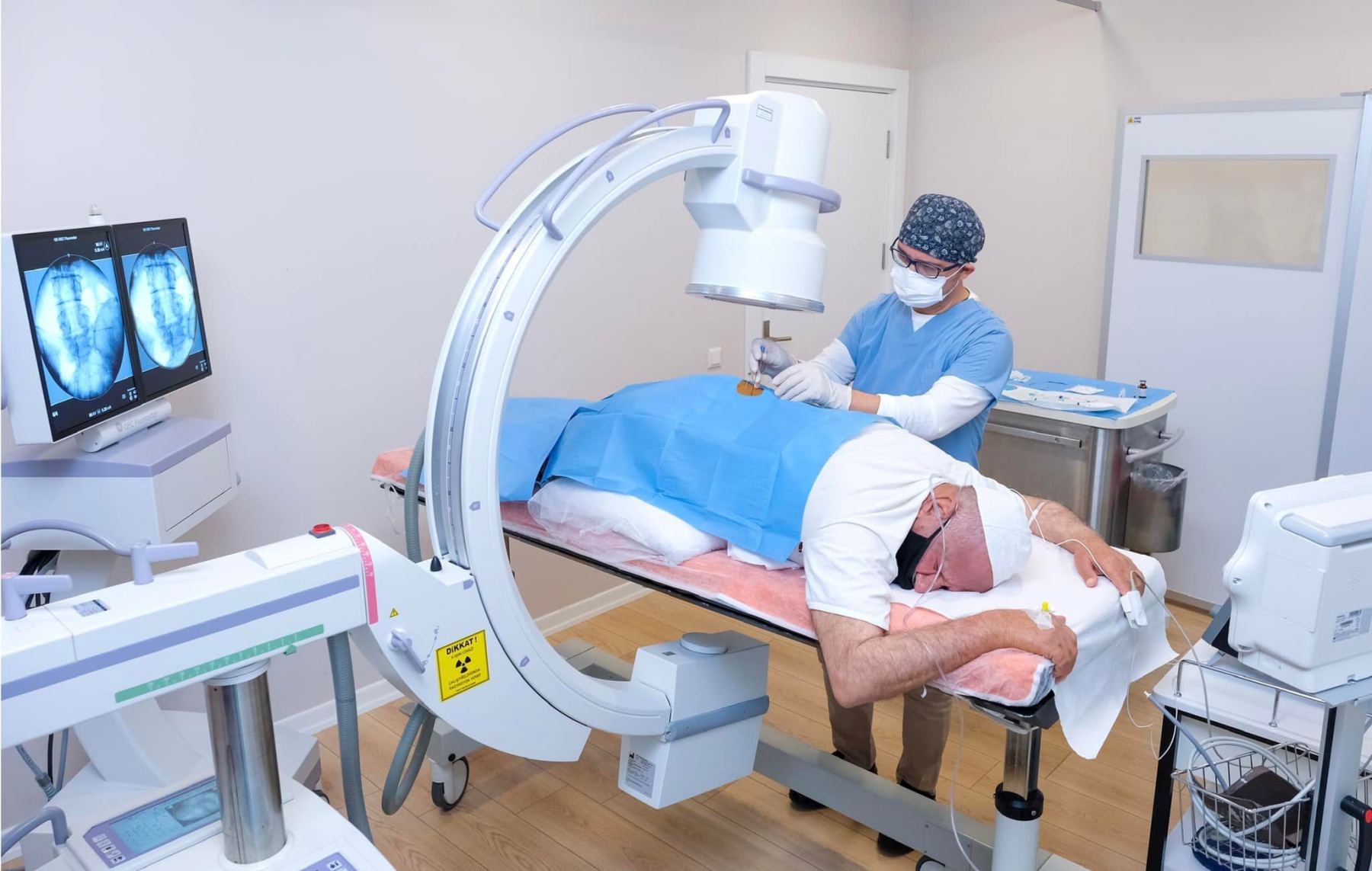
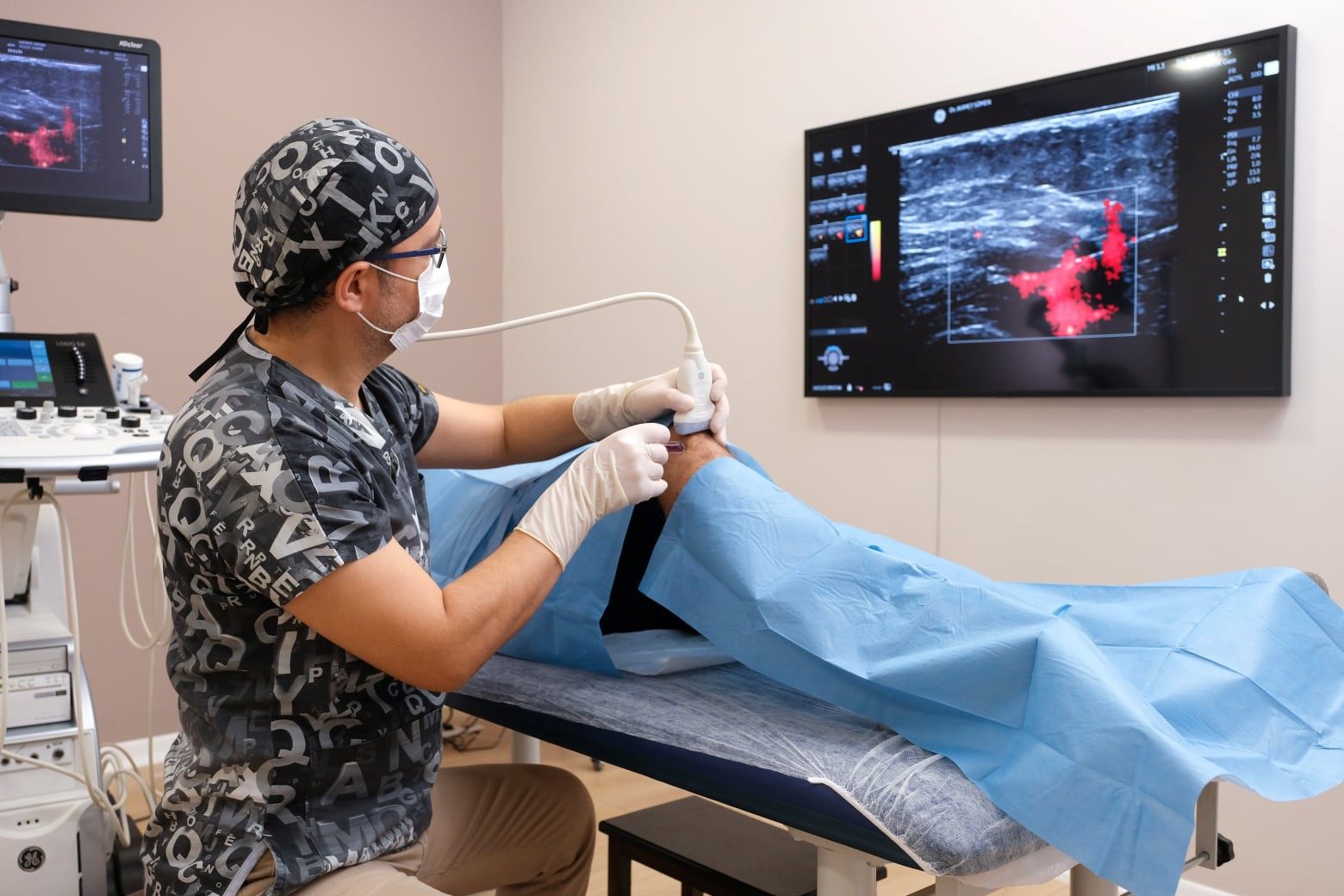
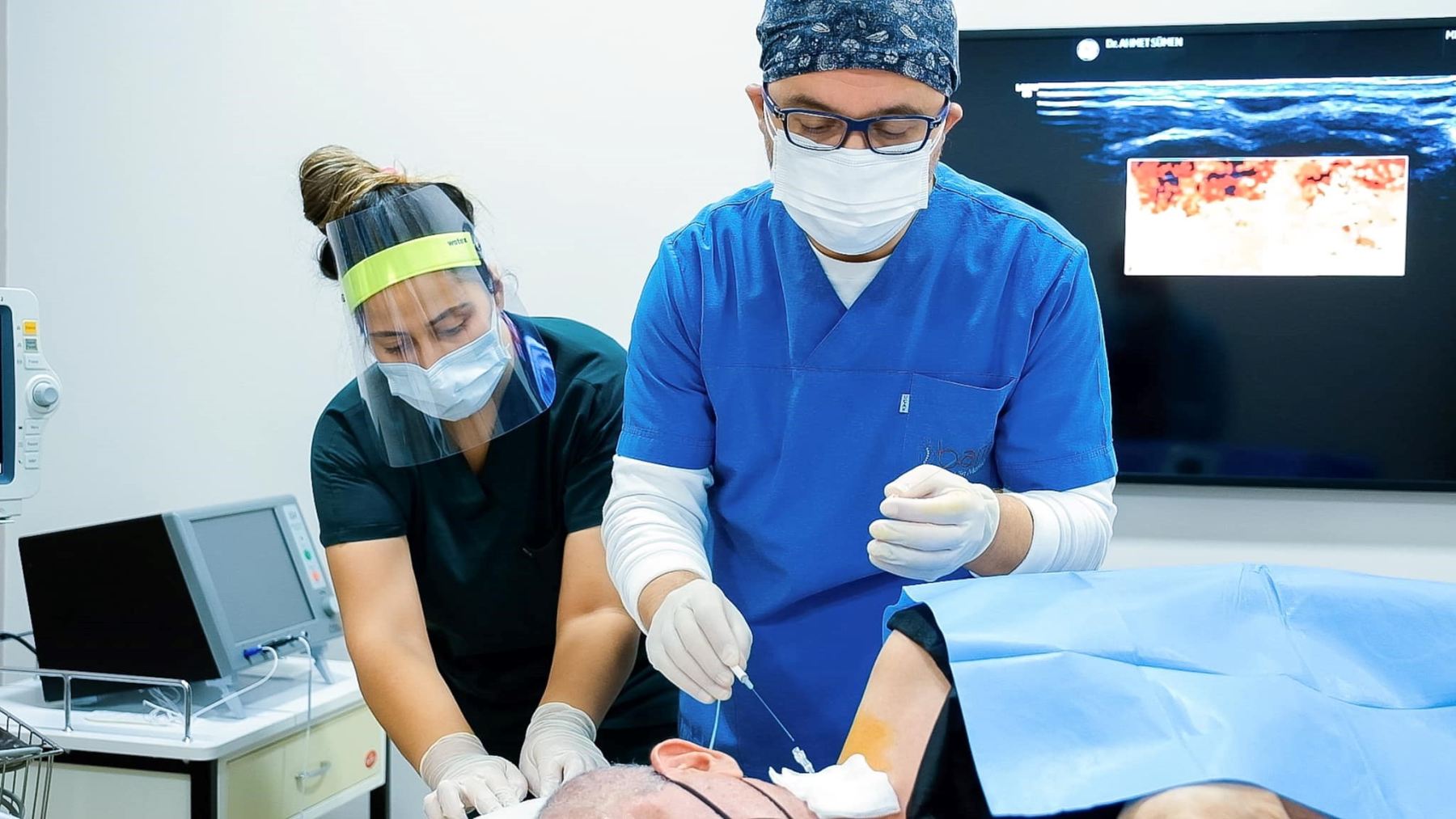
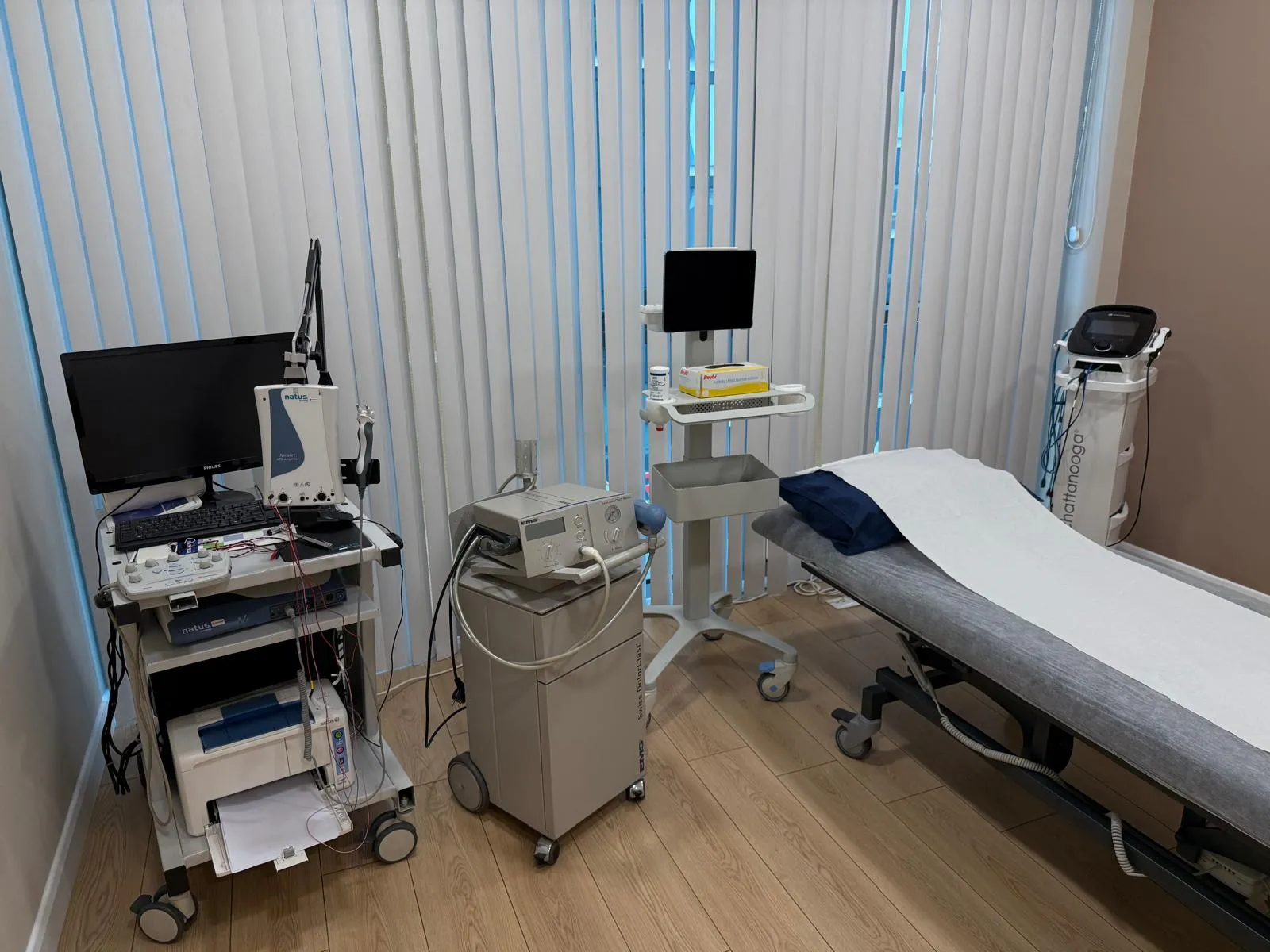
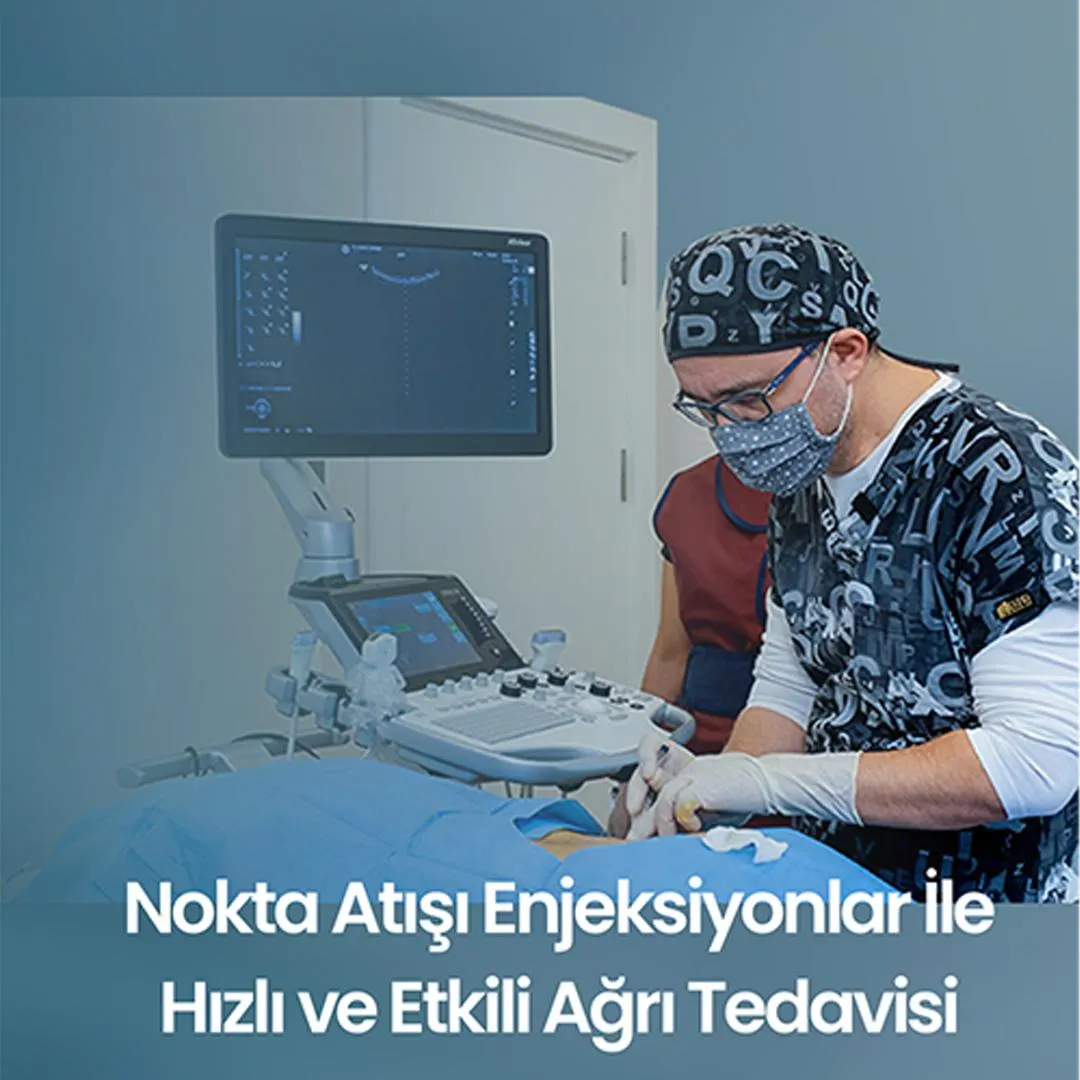
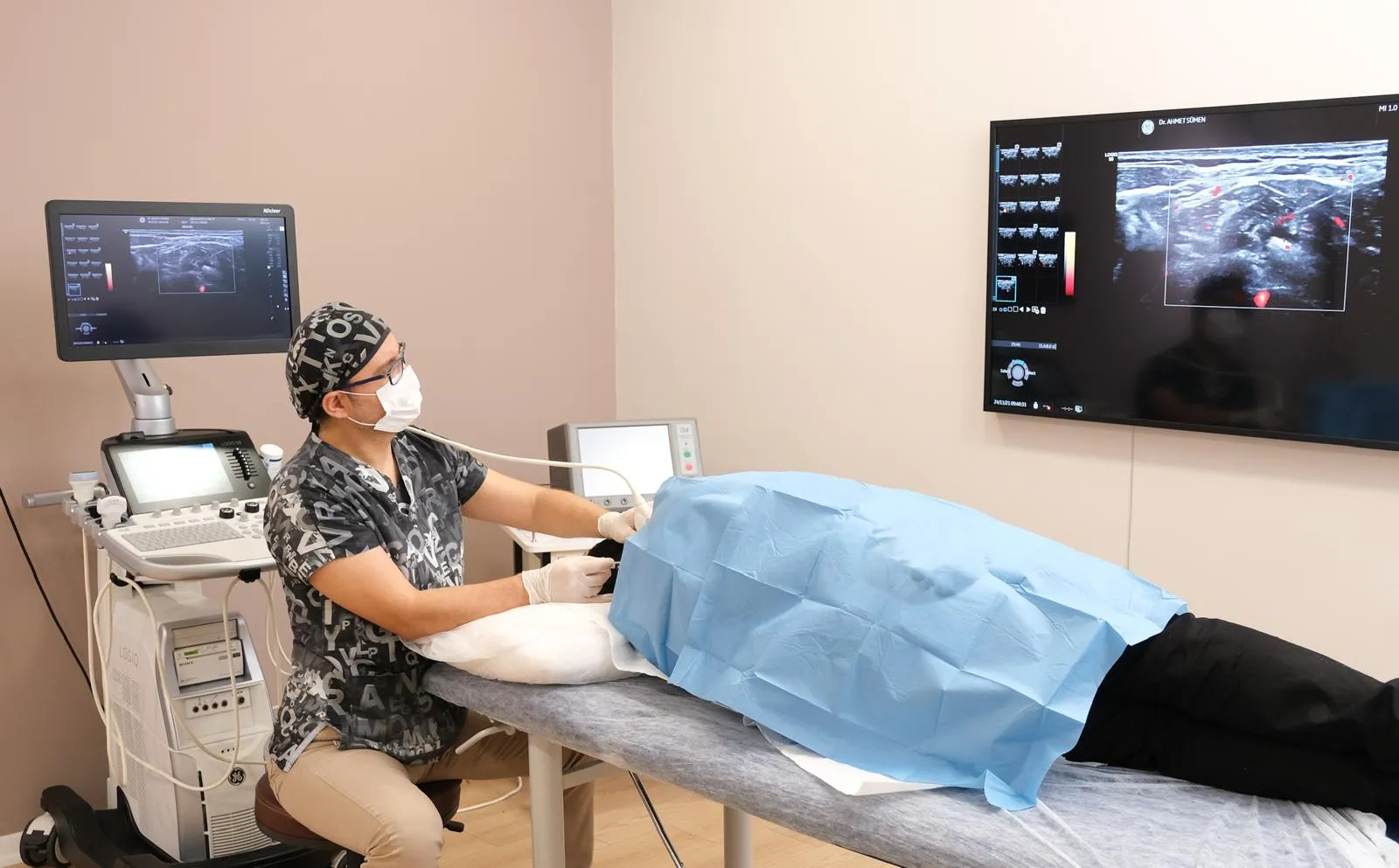
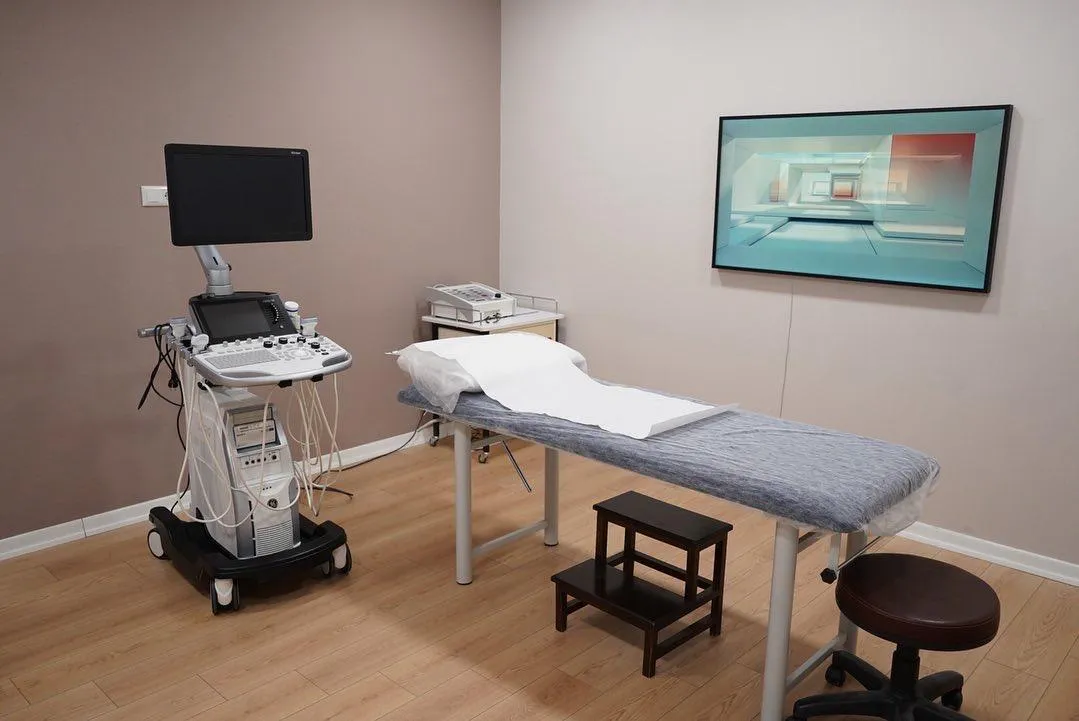
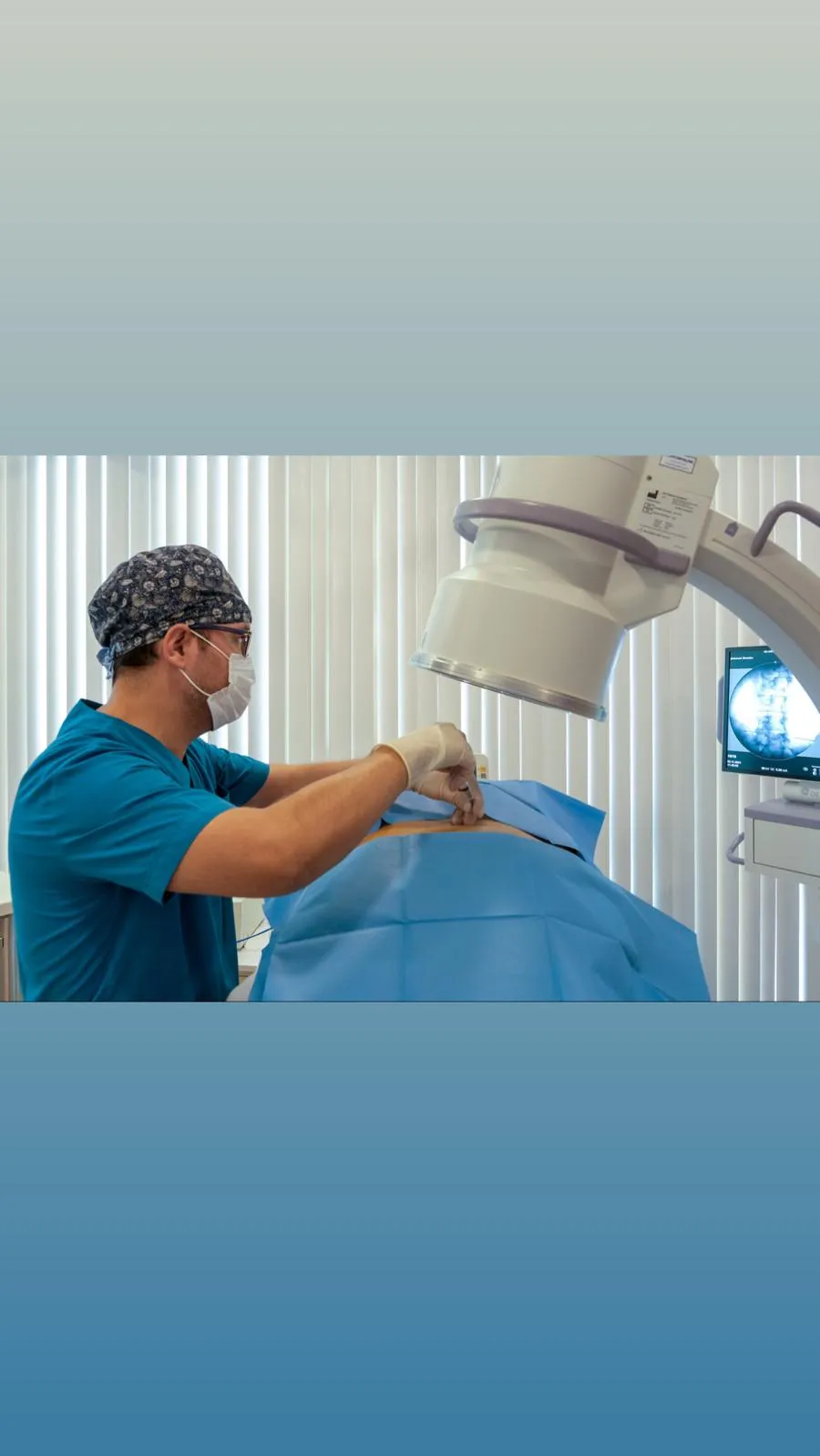
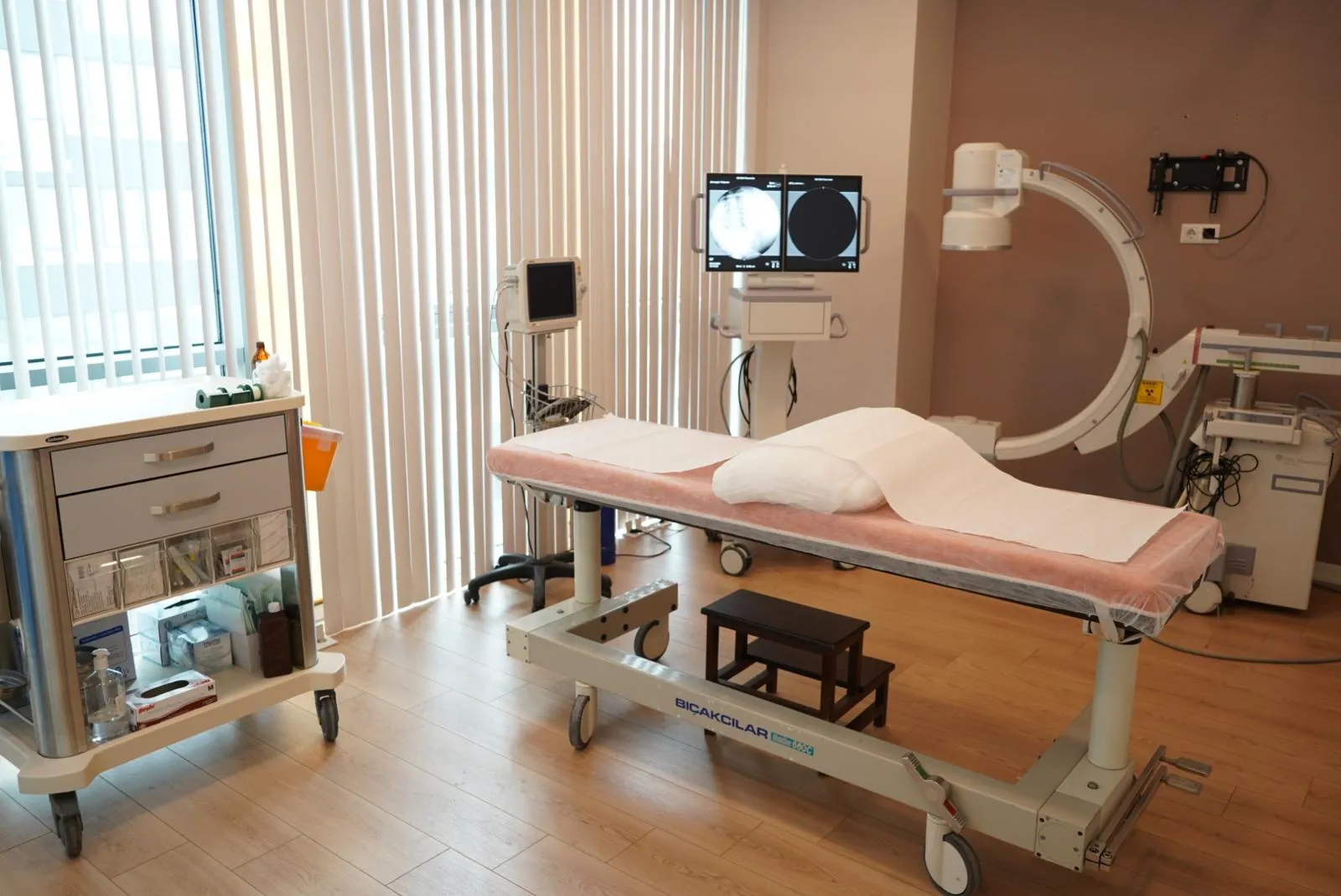
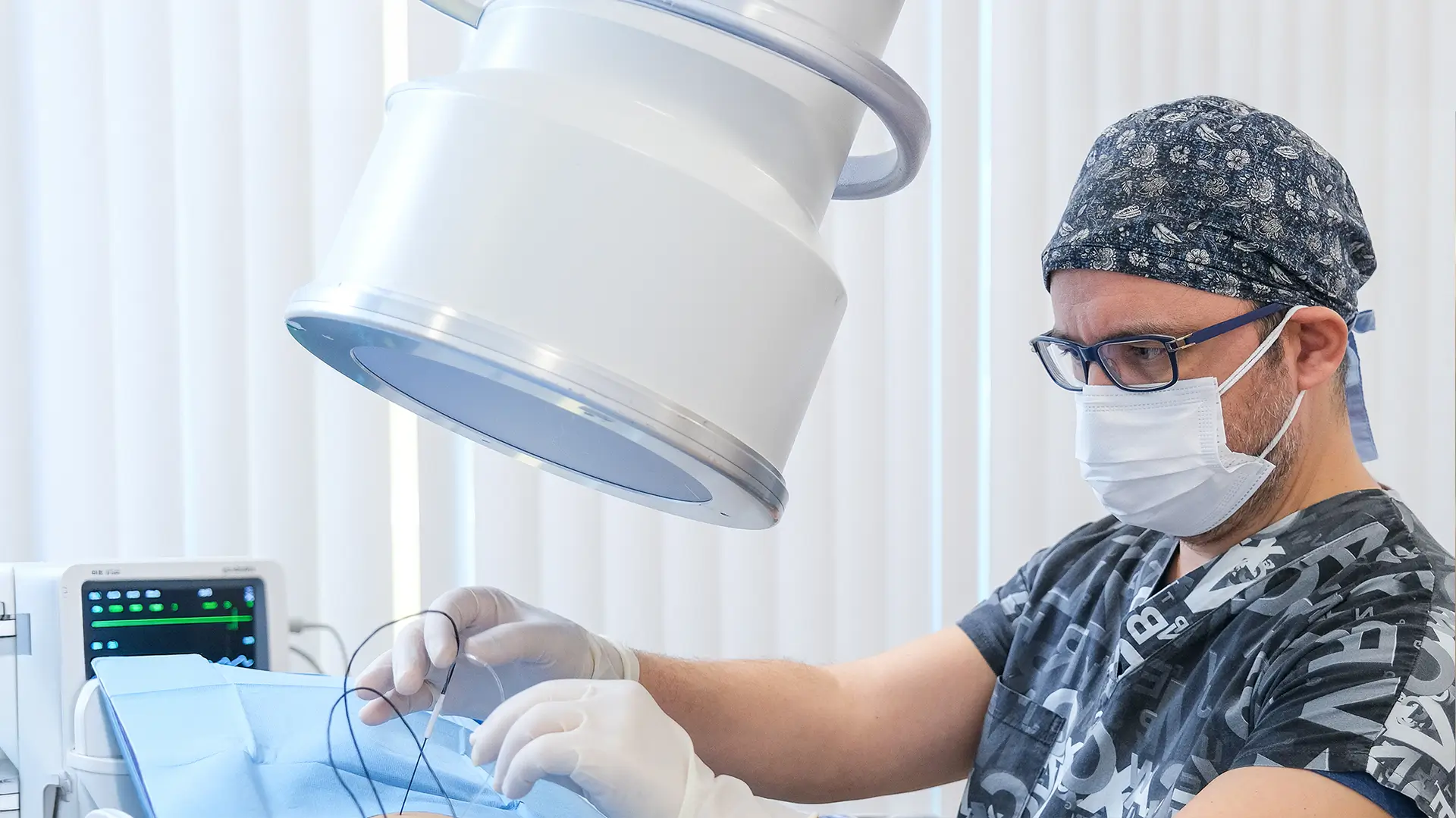
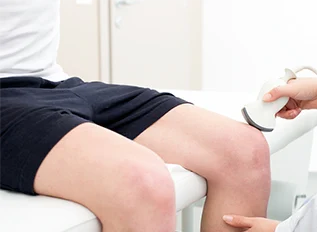
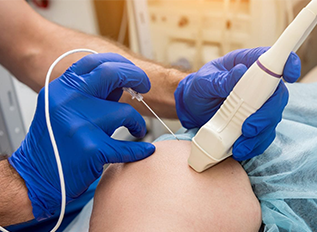
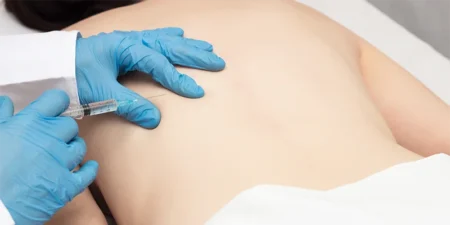
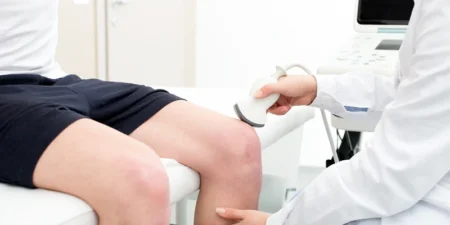
We identify the source of pain using diagnostic methods such as musculoskeletal ultrasound, MRI, and EMG. With ultrasound- and fluoroscopy-guided targeted injection procedures, which we refer to as “Targeted İnjection,” we offer our patients personalized treatment options.

We also share our knowledge and experience in interventional physiatry through courses and training programs designed for colleagues seeking to advance their expertise in this field, contributing to their professional development.

  • Non-Surgical Solutions
  • Fast Recovery
  • Targeted Treatment
  • High Patient Satisfaction
About Me
atv
star-tv
atv
cnn

Videos

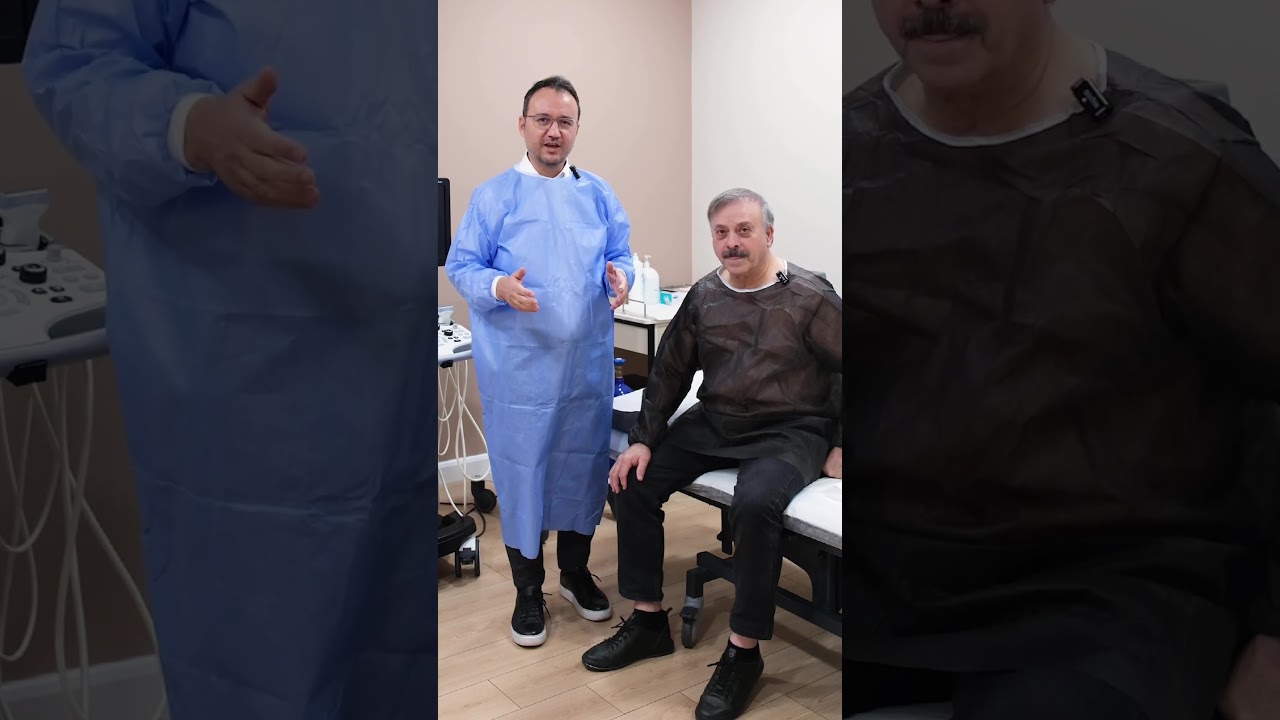
Explore videos featuring Dr. Ahmet SÜMEN's work, projects, and experience. This section offers a closer look at his activities and featured work.
Training I Provide

Training I Provide

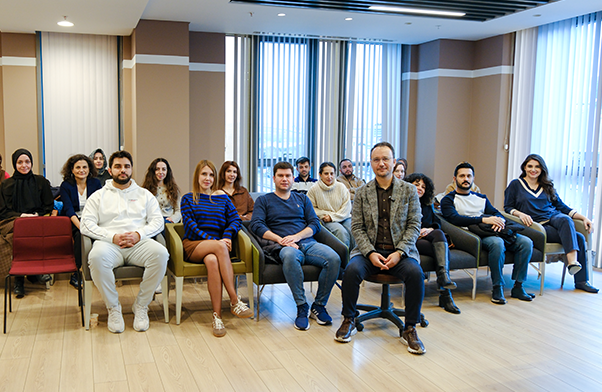
Dr. Ahmet Sümen shares his knowledge and experience in the field of Interventional Physiatry with his colleagues through educational programs he organizes. These programs cover current diagnostic and treatment methods, clinical practices, and patient-centered approaches. By combining theoretical knowledge with practical experience, these programs aim to contribute to the professional development of Physical Medicine and Rehabilitation specialists.
Our Training Programs

Diagnostic and Treatment Methods

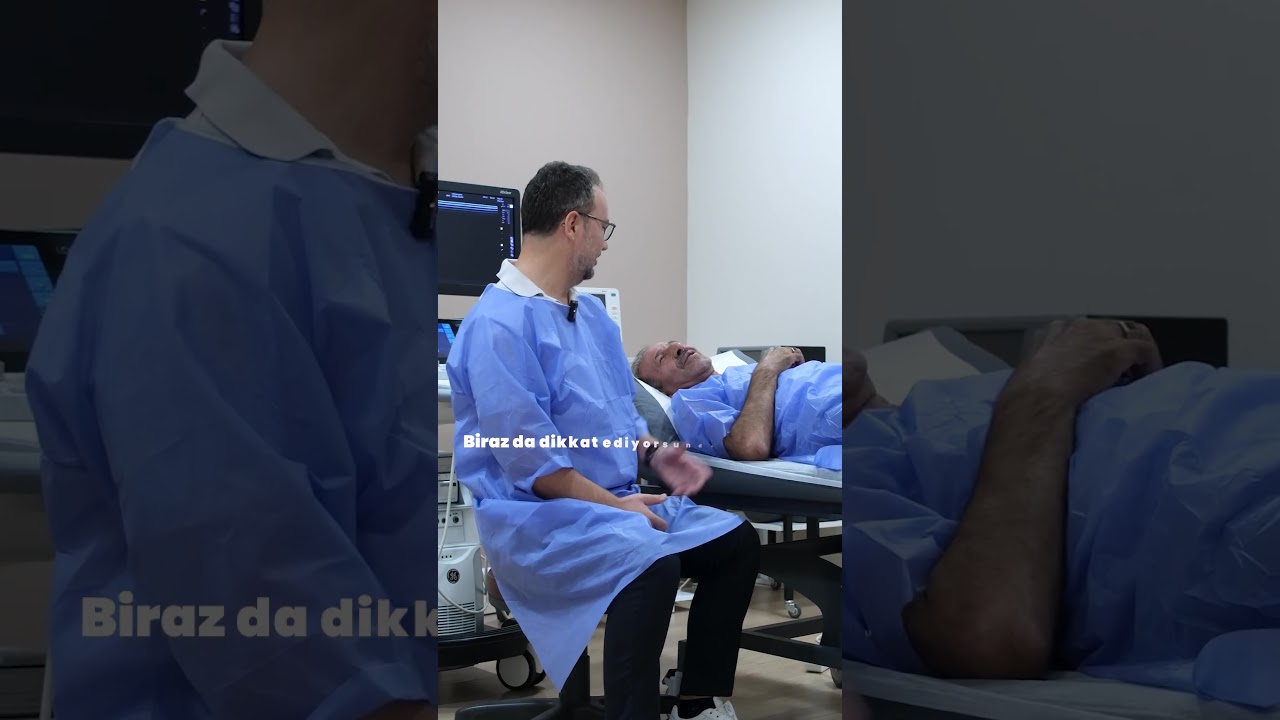
Magnetic Resonance Imaging (MRI) is one of the most powerful diagnostic tools for musculoskeletal disorders. In Interventional Physiatry practice, musculoskeletal ultrasound and electromyography (EMG) examinations are also highly important alongside MRI. In accordance with the principles of modern, progressive, and evidence-based medicine, we perform interventional physiatric treatments at our clinic under ultrasound and fluoroscopic guidance.

Frequently Asked Questions

What conditions does a physical medicine and rehabilitation specialist treat?
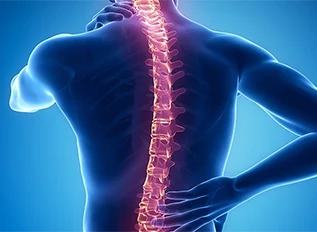
A physical medicine and rehabilitation specialist diagnoses and treats conditions affecting the muscles, bones, joints, nerves, and movement. Common areas of care include lumbar and cervical herniated discs, osteoarthritis, fibromyalgia, rheumatic diseases, and muscle pain. They also help treat movement problems following a stroke, spinal cord injury, sports injury, or surgery.
What is the difference between physical medicine and rehabilitation and orthopedics?
Physical medicine and rehabilitation focuses on non-surgical treatment of conditions affecting movement and on restoring function. Orthopedics also includes surgical treatment of bone, joint, and muscle conditions. These two specialties may work together to diagnose and treat many conditions.
What types of pain can a physical medicine and rehabilitation specialist treat?
A physical medicine and rehabilitation specialist can assess lower back, neck, upper back, shoulder, knee, hip, and joint pain. Muscle stiffness, persistent widespread body pain, and symptoms that worsen with movement are also assessed. A physical examination and any necessary tests help identify the source of pain.
How are rheumatic diseases treated?
Rheumatic diseases are treated with medication, exercise programs, and rehabilitation. The aim is to control pain, preserve joint movement, and make daily life easier. Inflammatory rheumatic diseases may require shared care with a rheumatologist.
What is fibromyalgia, and how is it treated?
Fibromyalgia is a chronic condition that causes widespread muscle and body pain, along with fatigue, sleep problems, and tenderness. Treatment includes regular exercise, healthy sleep habits, patient education, and medication when needed. The aim is to reduce pain and improve quality of life.
Can lumbar and cervical herniated discs be treated without surgery?
Many patients with lumbar and cervical herniated discs can manage their symptoms with non-surgical treatments. Medication, suitable exercises, and rehabilitation programs can help reduce pain. However, progressive muscle weakness or signs of severe nerve compression may require a surgical assessment.
Can osteoarthritis be completely cured?
Osteoarthritis is a chronic condition that causes changes in joint cartilage and the surrounding tissues. There is currently no definitive treatment that fully reverses existing cartilage damage. However, exercise, weight management, medication, and suitable procedures can help reduce pain and preserve mobility.
What causes knee and hip pain?
Knee and hip pain may result from osteoarthritis, tendon problems, muscle strains, or damage to the tissues around the joint. Nerve problems in the lower back can also cause pain that spreads to the hip or leg. Identifying the source of pain is essential for choosing the right treatment.