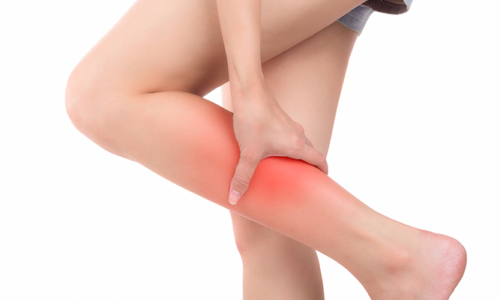

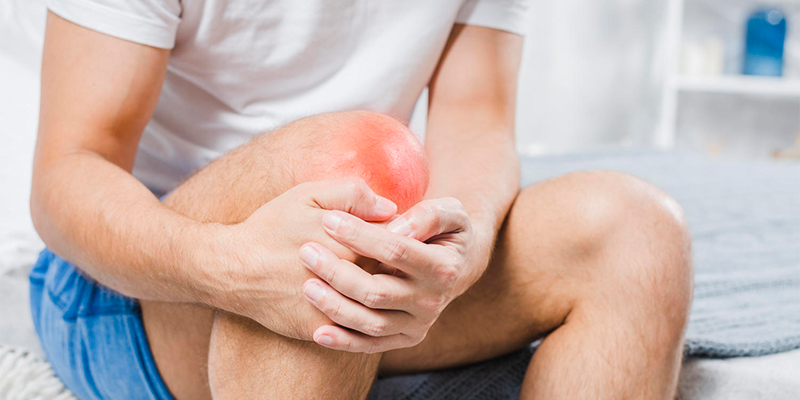
Knee pain is one of the most common musculoskeletal problems; it can occur at any age and affects daily life and mobility.
The most common causes include knee osteoarthritis (gonarthrosis), meniscus tears, anterior and posterior cruciate ligament injuries, kneecap and cartilage problems, tendon disorders and avascular necrosis.
Knee pain may worsen especially when walking, climbing stairs, squatting or standing for long periods. Some patients experience swelling, limited movement, catching and a feeling of the knee giving way. Older age, excess weight, previous injuries and repetitive strain can contribute to the development of knee problems.
Diagnosis of Knee Pain
Diagnosis begins with a physical examination. The range of motion of the knee joint, the stability of the ligaments, the menisci and the surrounding tissues are assessed.
X-rays are used particularly to assess knee osteoarthritis, while MRI is used to investigate meniscus, ligament, cartilage and bone marrow problems.
With musculoskeletal ultrasonography, joint fluid, synovitis, tendons and the soft tissues around the knee can be examined in detail.
Treatment of Knee Pain
Treatment is planned according to the cause of the pain, the degree of joint damage and the limitations in the patient’s daily life. The main options are medication, weight control, physical therapy and interventional procedures.
1. Physical Therapy
The aim of physical therapy in knee pain is to reduce pain, preserve joint movement and strengthen the muscles around the knee.
Thigh-strengthening exercises, balance training, manual therapy and appropriate physical modalities may be used. When necessary, knee braces, kinesiology taping and walking aids can be used.
Weight control and regular exercise are particularly important in the long-term treatment of knee osteoarthritis.
2. Interventional Physiatry
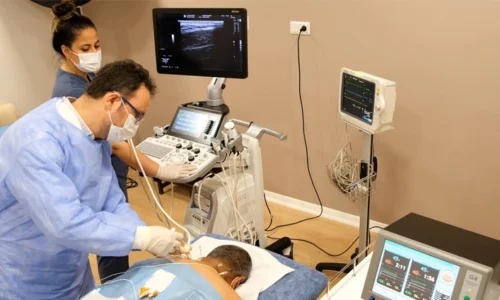
Ultrasound-guided targeted injections and nerve treatments can be used in the treatment of knee pain.
In ultrasound-guided “Pinpoint” procedures, the joint, tendons, bursae and surrounding neurovascular structures are visualised so that the needle can be guided precisely to the target anatomical area.
Ultrasound-Guided Intra-Articular Injections
In knee osteoarthritis and some intra-articular conditions, different injection treatments may be used to reduce pain and improve joint function.
Corticosteroid injections: These may be used for short-term pain control, especially during painful periods accompanied by inflammation and increased fluid in the joint.
Hyaluronic acid injections: These aim to support the lubricating properties of the joint fluid. They may help reduce pain in some patients; scientific opinion differs on their effectiveness and routine use.
Regenerative Treatments (Biological Applications)
Regenerative treatments include methods that are being researched and used to support the tissues’ natural healing mechanisms and to regulate biological processes within the joint.
PRP (Platelet-Rich Plasma): Plasma rich in platelets and growth factors, prepared from the patient’s own blood, is injected into the joint. The aim is to support tissue repair processes and regulate the inflammatory response.
Adipose-Derived Cellular Applications: These methods use cellular components obtained from fat tissue. The aim is to support communication between cells and the tissues’ natural repair processes.
Bone Marrow-Derived Cellular Applications: These aim to support the biological healing of tissues through cellular concentrates obtained from bone marrow or suitable cell products.
Exosome Applications: These methods use small vesicles that carry biological signals between cells and are being studied for their potential to regulate tissue repair and cellular activity.
Ozone Applications: These use a medical oxygen–ozone mixture with the aim of regulating the inflammatory response and pain mechanisms within the joint.
The clinical effectiveness, long-term results and conditions of use of these biological methods vary from one application to another.
Chitosan and Hydrogel Applications
Chitosan injections: These use a biocompatible polymer of natural origin. The aim is to support the mechanical and biological environment within the joint, reduce pain and improve joint function.
Hydrogel injections: Special water-retaining, gel-like substances are injected into the joint. The aim is to support joint lubrication and mechanical properties and to reduce friction-related symptoms.
The properties, areas of use and expected effects of these products may vary depending on the formulation used.
Genicular Nerve Block
The nerve branches that carry pain sensation from the knee joint are called the genicular nerves.
Particularly for chronic knee osteoarthritis pain, local anaesthetic injections targeting these nerves can be performed under ultrasound or fluoroscopic guidance.
This procedure can be used to reduce pain or to identify patients who are suitable for radiofrequency treatment.
Genicular Nerve Radiofrequency Treatment
Radiofrequency treatment may be considered for some patients, especially those with advanced knee osteoarthritis who are not suitable candidates for surgery or who wish to postpone it.
In this method, controlled radiofrequency energy is applied to the genicular nerves under ultrasound or fluoroscopic guidance with the aim of reducing pain transmission.
Radiofrequency treatment does not reverse osteoarthritis, but in suitable patients it can help control pain and make daily activities easier.
Tendon and Soft Tissue Injections
For pain originating from the tendons, bursae and ligaments around the knee, ultrasound-guided targeted injections can also be used.
Depending on the characteristics of the condition, options such as local anaesthetic, corticosteroid or PRP may be considered. The target of the injection and the substance to be used are determined by the characteristics of the affected tissue.
3. Surgical Treatment
Surgery is not needed in a large proportion of knee pain cases. However, surgical treatment may be considered for serious ligament injuries, some meniscus tears, advanced cartilage damage, or severe pain and limited movement that persist despite other treatments.
Depending on the type of condition, methods such as arthroscopic meniscus repair, cruciate ligament reconstruction, cartilage repair procedures, osteotomy, and partial or total knee replacement may be used.
The choice of treatment should be made by evaluating the patient’s symptoms, examination findings and imaging results together.