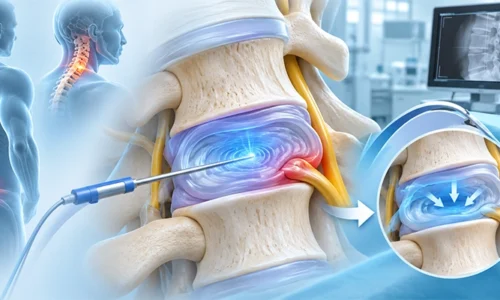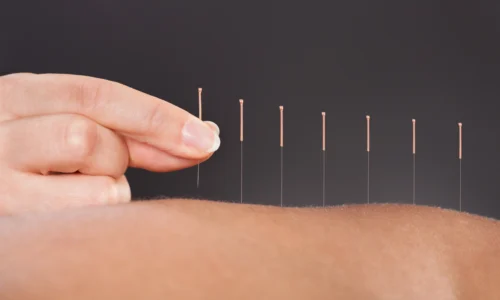

Physical Therapy is the use of physical methods in the treatment of diseases. Some of these physical methods are electricity, ultrasound, laser, heat, cold, needles and exercise. Rehabilitation, in its literal sense, refers to the sum of the efforts made so that a person can regain their former strength and health after an illness. Today, Physical Medicine and Rehabilitation is one of the main branches of medicine. Its main areas of interest are pain, rheumatic diseases, paralysis and sports health.
The main methods used in Physical Therapy:
Electrical Therapies: The most important purpose of using electrotherapy in physiatry is to relieve pain. The effects of electricity on the body have long been well known. In addition to its pain-relieving effect, we also frequently make use of its ability to strengthen muscles when used at different frequencies and currents.
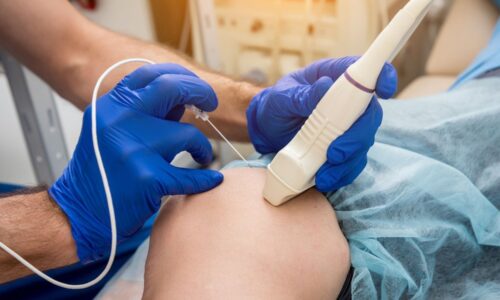
Ultrasound Therapy: Ultrasound waves are used in medicine for treatment as well as for imaging. They are most commonly used as part of physical therapy. Ultrasound causes warming in deep tissues such as muscle, bone and tendon, and increases the flexibility and mobility of these tissues.
Laser Therapy: Laser is a physical agent that can have a regeneration-initiating effect on tissues. When light of a certain wavelength penetrates the tissue for a certain period of time, it initiates biological changes in the tissue to which it is applied. It has been used successfully in many areas of medicine for years.
Hot-Cold Therapies: Heat has the effect of increasing blood flow, relaxing the muscles and thus relieving pain in the area where it is applied. Cold, on the other hand, is used especially in acute tissue injuries. It is also one of the effective methods for loosening excessively stiff muscles.
Other devices and methods we use in Physical Therapy:
– Traction (stretching)
– Paraffin
– Infrared
– Shortwave diathermy
– Radar
– Magnetic field
– Biofeedback
– Contrast bath
Physical Therapy in Rheumatology Patients
In the treatment of Inflammatory Rheumatic Diseases, the first thing to do is to suppress the active inflammatory period with medication. These drugs belong to a group called DMARDs, which have been proven to halt the course of the disease and even improve it. Not so long ago, just 20 years ago, a Rheumatoid Arthritis patient could become disabled within a short time, whereas with the modern treatment and follow-up methods used today, we almost never see disability and handicap in these patients anymore. Physical therapy should not be actively applied during the inflammatory period. Cold application to swollen and painful joints, rest and a resting splint are sufficient. If the active period is treated successfully, more aggressive physical therapy applications can be started. The aim here is to try to restore the joints and tendons deformed by the rheumatic disease to their former state.
Some of the inflammatory rheumatic diseases that fall within the scope of Physical Therapy:
– Rheumatoid Arthritis
– Ankylosing Spondylitis
– Psoriatic arthritis
– Behçet’s Disease and spondylitis
– Gout
– Dry eye syndrome
– Reactive Arthritis
– Scleroderma
Orthopedic Rehabilitation
All the treatments carried out so that patients who have suffered a stroke for various reasons, such as a blockage of a brain blood vessel or a brain hemorrhage, can return to their former state are considered within neurological rehabilitation. In patients who have very little hope of returning to their former state, the main goal is to help the person become as independent as possible in daily life. For example, enabling a patient with very little hope of walking independently to carry out all their basic daily tasks such as using the toilet, bathing, and dressing and undressing by themselves is one of the most fundamental tasks of the rehabilitation team.
Diseases in which Neurological Rehabilitation is applied:
– Paralysis due to cerebrovascular diseases
– Paralysis due to spinal cord injuries and tumors
– Cerebral palsy, spastic paralysis
– Multiple Sclerosis
– Parkinson’s
– Disorders due to neuropathy
According to the World Health Organization (WHO), obesity is an accumulation of excess fat to an extent that impairs health. Obesity is not just a cosmetic problem. It is a chronic disease that can cause many disorders, from diabetes to heart disease.
What Are the Harms of Obesity?
Overweight and obesity are responsible for more than 80% of Type 2 Diabetes, 35% of ischemic heart disease and 55% of hypertension among adults in Europe, and cause more than 1 million deaths every year.
Obesity Treatment
– The success rate of healthy weight loss increases if it is carried out through teamwork under the management of a physician.
– The aim of the treatment is to achieve and maintain a healthy weight rather than an ideal weight.
– Even a slight weight loss of 5-10%, if maintained for a long time, can bring important benefits such as lower blood pressure and a reduction in diabetes and heart disease.
– The two most fundamental elements of obesity treatment are diet and exercise.
– Acupuncture is the foremost of the supportive methods in obesity treatment. Apart from this, cavitation, medication and surgical treatment are applied less frequently.
Exercise and Obesity
– It reduces fat tissue while preserving muscle mass.
– It contributes to weight loss by supporting diet therapy.
– It prevents regaining the previous weight.
– Blood sugar is controlled.
– Triglyceride levels decrease and HDL levels increase.
– It lowers blood pressure and reduces the risk of death from cardiovascular disease and stroke.
– It reduces the risk of colon and breast cancer.
– It helps keep your bones, muscles and joints healthy.
– It reduces anxiety and depression and increases motivation.
– It increases self-confidence.