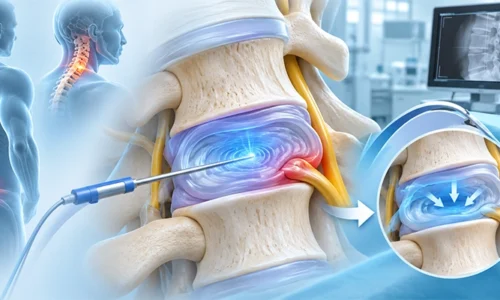

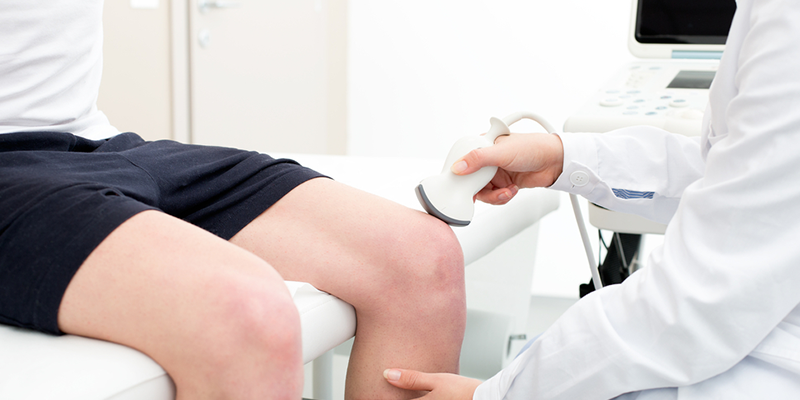
As a requirement of today’s modern medicine, ultrasound has begun to be used by modern medical specialists in the diagnosis of musculoskeletal and rheumatological problems. At present, MRI (Magnetic Resonance Imaging) is undoubtedly the most effective diagnostic method in diagnosing disorders affecting the musculoskeletal system. However, due to some limitations of MRI, not every patient can benefit from it. In particular, people with claustrophobia, those with metal parts in their body and patients with pacemakers cannot undergo MRI. Although rarely, some pathologies can be missed with MRI. Because MRI is somewhat expensive in terms of cost, is not available everywhere and its results cannot be obtained immediately, the importance of ultrasonography is increasing, especially in the diagnosis of musculoskeletal diseases.
What Are the Advantages of Ultrasound?
The greatest advantage of ultrasonography is that a diagnosis can be made during the patient’s examination in the outpatient clinic. With this method, called ‘one-step treatment’, the patient can leave the very first doctor’s appointment having been examined, diagnosed and treated. We say treated because, thanks to ultrasound, after diagnosing the disease we can also perform the needle treatment at the same time, again under ultrasound guidance.
One of the most important advantages of ultrasonography over MRI is that it allows dynamic imaging. For example, while performing a shoulder ultrasound, we can obtain different images from different positions of the arm. The fact that the imaging is performed live by the clinician is an important advantage.